Life Skills Through Sport: What Young People Learn Beyond the Pitch
By Talanta Bora Academy | 16th July, 2025

Life Skills Through Sport: What Young People Learn Beyond the Pitch
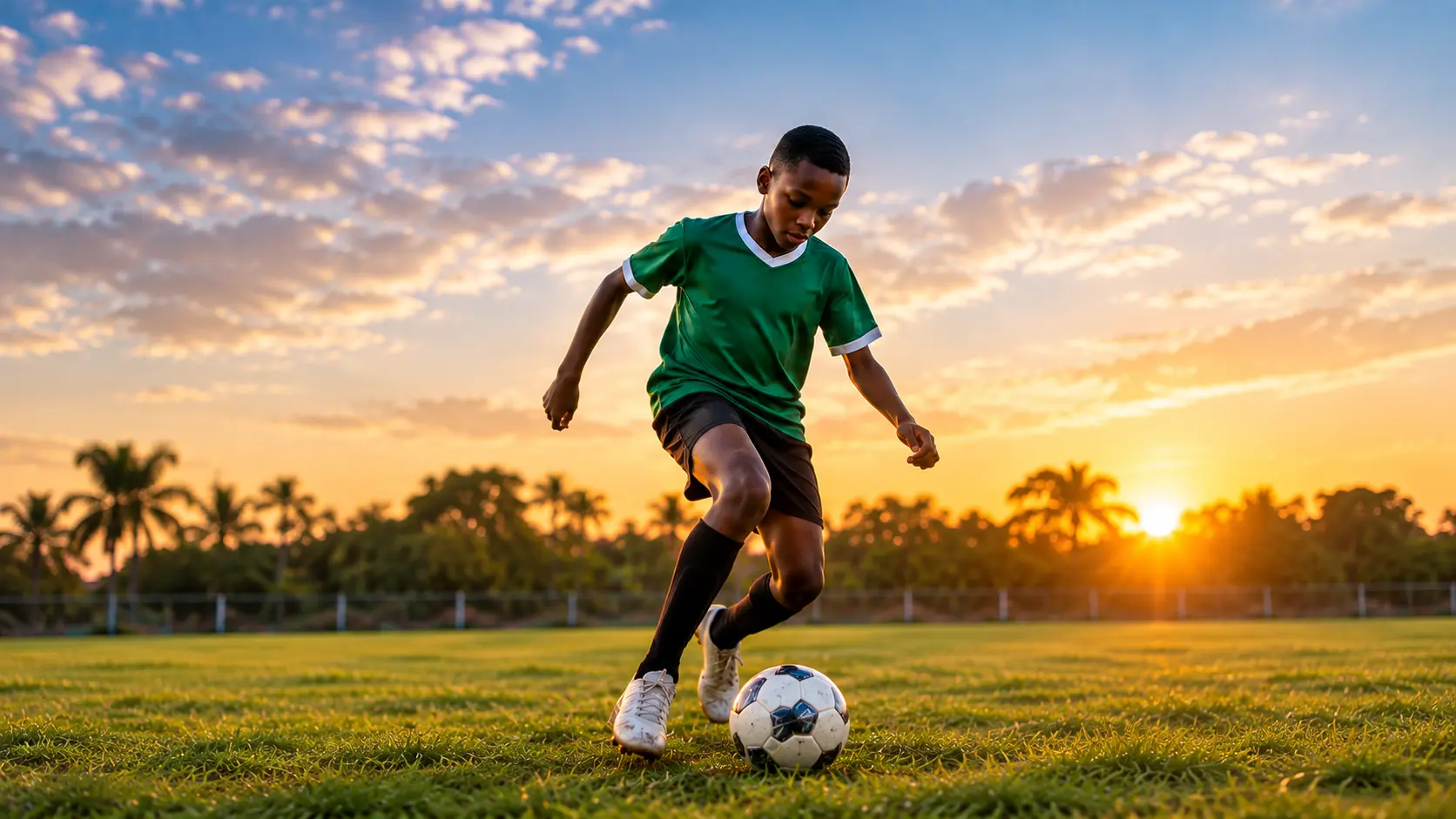
A young person may join a sports programme because they love football. They may want to become a better athlete, compete at a higher level or simply enjoy spending time with friends. For some, sport may begin as an activity they enjoy after school or during weekends. For others, it may become a serious pursuit with ambitions of competing at regional, national or even international level.
Whatever brings a young person onto the pitch, something else can happen once they become part of a sporting environment. They can begin learning about themselves, about other people and about how to deal with the challenges that come with being part of a team.
Sport can teach much more than technique and competition. It can create practical opportunities for young people to develop communication, teamwork, discipline, decision-making, leadership, confidence and resilience. These are life skills that remain valuable whether or not a young person's future stays within sport.
At Talanta Bora, we believe sport can provide a practical environment where young people develop skills that extend far beyond the pitch. While a match eventually ends and a training session eventually finishes, the lessons learned through those experiences can continue to influence how a young person approaches school, relationships, work, leadership and everyday life.
What Are Life Skills?
Life skills are the practical abilities that help people navigate everyday situations, relationships, responsibilities and challenges. They include communication, teamwork, decision-making, problem-solving, discipline, leadership, confidence, resilience, respect and the ability to work towards goals.
These skills are not always developed simply by being told about them. Young people need opportunities to practise them in real situations, make decisions, experience consequences and learn from their experiences.
This is one of the reasons sport can be such a powerful environment for development. A young person does not simply hear that teamwork is important. They experience what happens when teammates communicate well and what happens when they fail to work together. They do not simply hear that discipline matters. They experience the commitment required to attend training, practise consistently and continue working when progress is slow.
Sport turns these ideas into practical experiences.
The Pitch Can Become a Classroom
A sports field can be a place of learning just as much as a classroom can.
Consider a simple football training exercise where players are asked to keep possession of the ball while facing pressure from opponents. On the surface, the coach may be working on passing, movement and decision-making. However, the players are also being placed in a situation where they have to communicate, observe what is happening around them, support one another and respond when something does not go according to plan.
One player may need to communicate that they are available for a pass. Another may need to recognise that a teammate is under pressure and provide support. Someone else may have to decide whether to pass, move into space or keep possession. When the team loses the ball, the players have to react quickly and reorganise.
The football activity therefore becomes more than a technical exercise. It becomes an opportunity to practise teamwork, communication, problem-solving and decision-making in a real situation.
This is at the heart of our Sport for Development approach. We want young people to experience learning through participation, rather than simply being told what they should know.
Learning to Work as a Team
Teamwork is one of the clearest lessons sport can provide, but genuine teamwork involves much more than simply being part of the same team.
Young people have to understand that everyone has a role and that individual actions can affect the wider group. They have to communicate with one another, listen to different perspectives, trust their teammates and recognise that people contribute in different ways.
One player may have excellent technical ability. Another may be particularly good at defending. Someone else may be the person who keeps encouraging the team when things become difficult. Another player may have strong leadership qualities and help organise those around them.
A successful team does not require everyone to have the same strengths. It requires people to understand how their different abilities can contribute towards a shared objective.
That is an important lesson beyond sport. Young people will eventually work with classmates, colleagues, friends, community members and people from different backgrounds. Learning how to contribute to a group, communicate effectively and appreciate the strengths of others can therefore become valuable throughout their lives.
Communication Is More Than Speaking
Sport also provides young people with constant opportunities to practise communication.
On a football pitch, communication often needs to happen quickly. A player may need to warn a teammate about an approaching opponent, ask for the ball, organise the defence or encourage someone who has just made a mistake. At the same time, they need to listen to instructions and understand what their teammates are communicating.
These experiences can teach young people that communication is not simply about speaking loudly or making sure that other people hear you. It is also about listening, paying attention, choosing the right words and understanding how your communication affects others.
There is an important difference between encouraging a teammate and blaming them. There is a difference between giving useful information and criticising someone after they make a mistake. A positive sporting environment gives young people opportunities to experience these differences and learn how to communicate more constructively.
These lessons can extend well beyond sport. The ability to listen, express yourself clearly and communicate respectfully can influence relationships at school, at home, at work and within the wider community.
Discipline Is Built Through Consistency
Talent may create potential, but development requires consistency.
A young athlete has to attend training, practise skills repeatedly, listen to coaching and continue working even when improvement is not immediately visible. There will be days when training feels difficult and days when motivation is lower. There will also be moments when an athlete may question whether the effort is producing results.
Continuing to work through those moments can help develop discipline.
Discipline does not mean that a person never becomes tired or frustrated. It means learning to remain committed to something that matters, even when it is not always easy.
This is a lesson that can transfer into almost every area of life. A student preparing for examinations needs consistency. Someone learning a new skill needs practice. Someone building a career needs commitment. Someone working towards a personal goal needs patience.
Sport gives young people an environment where they can experience these principles rather than simply being told about them.
Learning to Make Better Decisions
Sport is full of decisions.
A player has to decide whether to pass or carry the ball. They may need to decide whether to attack or defend. They may have to determine when to take a risk and when to play safely. These decisions often have to be made within seconds, while responding to constantly changing circumstances.
The important part is not that every decision will be correct.
Young athletes will make mistakes. They will choose the wrong option, misread situations and sometimes make decisions they later wish they had handled differently. These moments can become valuable learning opportunities when they are approached constructively.
A coach can help a player understand what they saw, what options were available and what they might consider next time. The young person can then begin developing the habit of observing a situation, considering their options and making a decision rather than simply reacting.
Decision-making is not only a sporting skill. Young people make decisions every day about school, friendships, responsibilities, challenges and their future. Learning how to think through choices and take responsibility for them can therefore become an important part of personal development.
Learning From Mistakes
Nobody gets everything right. Not in football, not in athletics, not in school and not in life.
Sport creates regular opportunities for young people to experience mistakes in an environment where those mistakes can become part of the learning process. A player may miss an important chance. A team may concede a goal because of a poor decision. An athlete may perform below expectations in a competition.
The question is not simply what went wrong. The more important question is what happens next.
Can the young person reflect on the experience? Can they accept responsibility without becoming discouraged? Can they identify what they need to improve? Can they return to training and try again?
These experiences can contribute to resilience. Resilience does not mean never struggling or pretending that disappointment does not matter. It means developing the ability to respond constructively when things do not go according to plan.
Sport gives young people repeated opportunities to practise that response.
Confidence Grows Through Experience
Confidence is often built gradually through experience.
A young player may initially hesitate to ask for the ball. They may be uncomfortable speaking in front of their teammates or unsure whether they can perform a particular skill. With practice, encouragement and positive experiences, those feelings can begin to change.
The first successful pass can create confidence. The first time a player speaks up during a game can create confidence. Completing a difficult training exercise or overcoming a challenge can create confidence.
These moments may appear small, but they can be meaningful to a young person.
Sport gives young people opportunities to experience progress for themselves. Instead of simply being told that they are capable, they can work towards something, overcome difficulties and see what they can achieve.
That growing confidence can influence other areas of life. A young person who becomes more comfortable expressing themselves during training may become more willing to participate in class. Someone who learns to take responsibility within a team may become more comfortable taking responsibility elsewhere.
The experience on the pitch can become part of a wider journey of personal growth.
Leadership Is More Than Being Captain
Leadership is another important skill that sport can help young people develop.
Being a captain is one form of leadership, but it is certainly not the only one. A young person can demonstrate leadership by encouraging a teammate, helping someone who is struggling, taking responsibility after making a mistake or setting a positive example during training.
Leadership can also mean listening to others, making thoughtful decisions and helping create an environment where everyone feels included.
Not every leader is the loudest person in the room. Some people lead through their actions. Others lead by supporting people around them. Some lead by listening carefully and helping a group find a way forward.
Sport provides opportunities for young people to discover how they can contribute and what kind of leader they can become.
These experiences can become particularly valuable as young people take on greater responsibilities in school, work, families and
Latest News & Blogs
More News & Blogs
How Sport Can Support Mental Wellbeing and Psychosocial Wellbeing
Sport can create more than physical activity and competition. At Talanta Bora, we use sport as a pathway to support mental wellbeing, meaningful relationships, confidence, life skills and stronger co…
Read More
Why Football Development Should Build the Person, Not Just the Player
Football development is about more than technique, tactics and results. At Talanta Bora, we believe young players should develop their football intelligence, character, confidence and understanding o…
Read More
Building Safe and Inclusive Sporting Spaces for Young People
A positive sporting environment is about more than training and competition. Explore how safeguarding, inclusion, responsible coaching and supportive relationships can help create spaces where young …
Read More
From Football Academy to Sport for Development: The Talanta Bora Journey
Talanta Bora began with football and has grown into a Sport for Development organisation using sport to support mental wellbeing, life skills, inclusion, personal development and stronger communities.
Read More
The Game Is Bigger Than the Score: Why Talanta Bora Uses Sport for More Than Competition
At Talanta Bora, sport is more than competition and the score is only part of the story. We use sport as a pathway to build confidence, life skills, mental wellbeing, meaningful relationships and str…
Read More