How Sport Can Support Mental Wellbeing and Psychosocial Wellbeing
By Talanta Bora Academy | 18th September, 2026
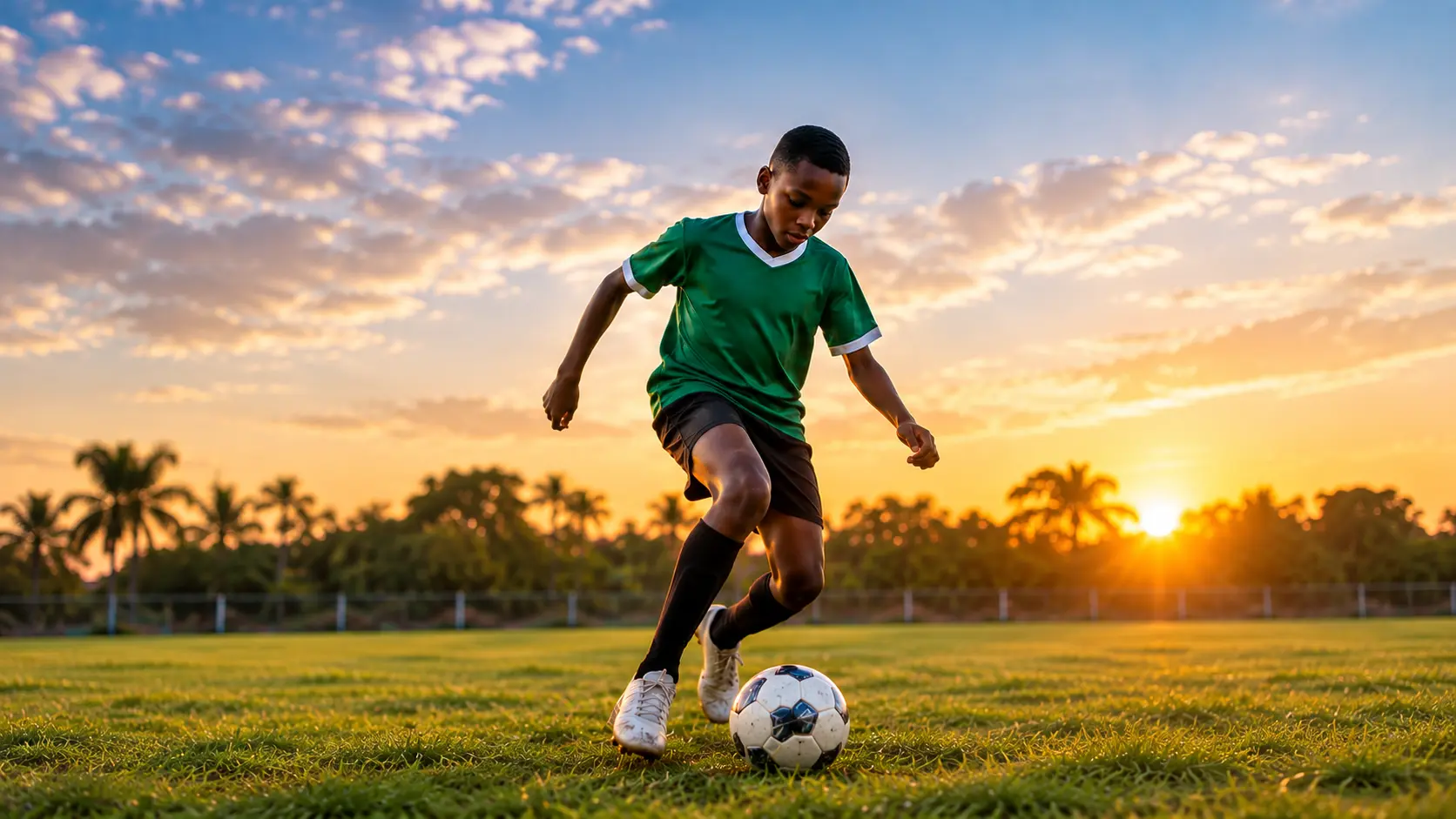
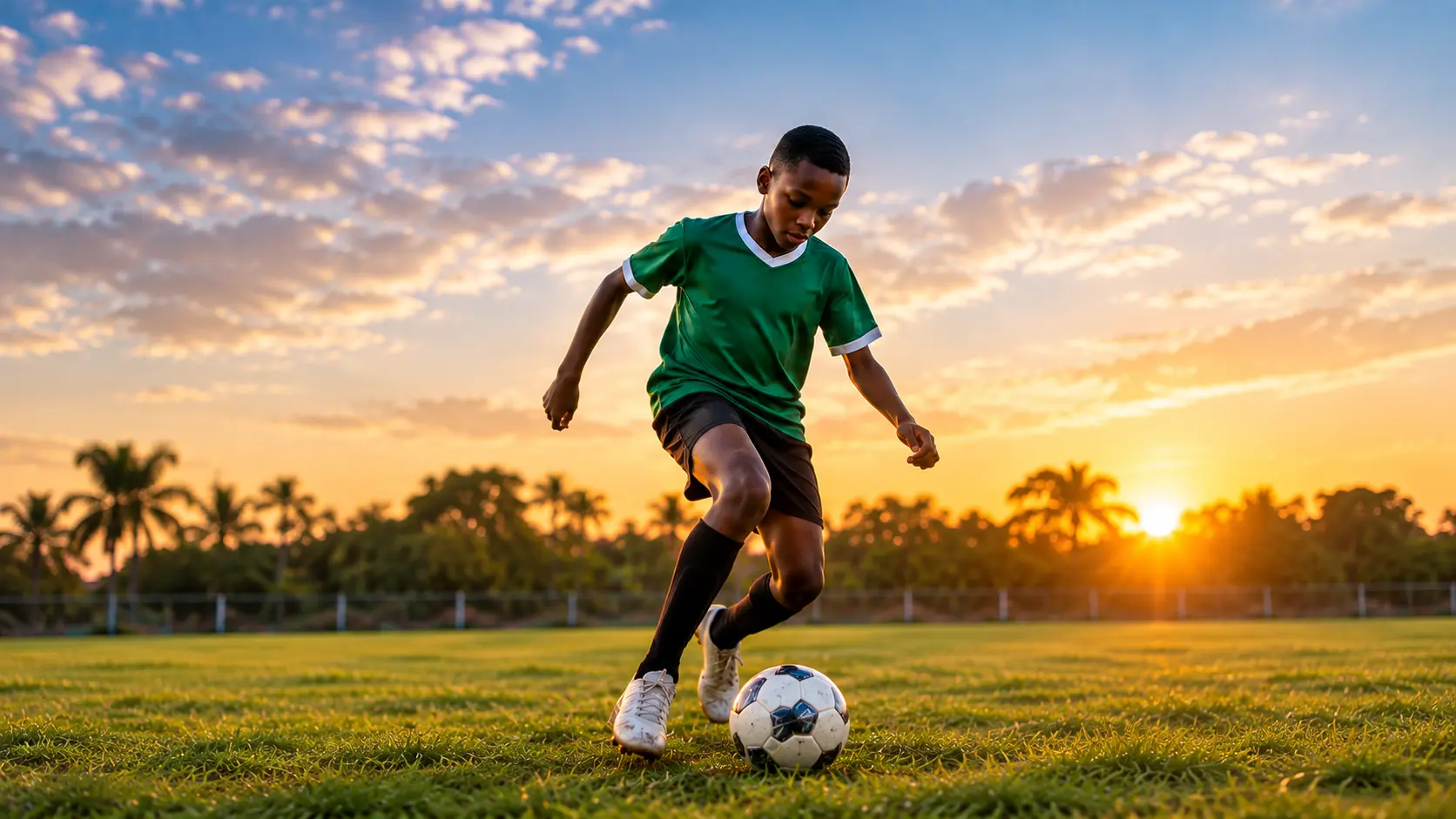
Sport is often associated with fitness, competition, achievement and performance. We think about training sessions, matches, medals, personal records and the excitement of seeing an athlete improve. But sport can offer something much bigger than physical development. It can create spaces where young people build confidence, form meaningful relationships, express themselves, develop life skills and feel that they belong.
At Talanta Bora, this wider purpose is central to how we understand sport. We use sport as a practical pathway towards mental wellbeing and psychosocial wellbeing, while recognising that every young person is different and that wellbeing is influenced by many aspects of life. The sporting environment can become one part of a much larger support system that helps people move, connect, learn, communicate and grow.
Sport Creates Space to Connect
For many young people, connection can be just as important as competition. A training session brings people together around a shared activity. Players learn each other's strengths, communicate during drills, encourage one another and experience the responsibility of being part of a team.
These simple interactions can help create a sense of belonging. A young person may arrive at training knowing very few people and gradually develop friendships, trust and confidence through repeated participation. The pitch, court or training ground can become a familiar space where they feel recognised and accepted.
This is one reason we believe sport can be particularly meaningful during the formative years. It gives young people opportunities to interact with others, work towards shared goals and discover that they are part of something bigger than themselves.
Movement Can Be Part of a Healthy Routine
Sport also gives young people an opportunity to be active. Training creates structure and encourages participants to make movement part of their regular lives. Whether through football, athletics, martial arts, volleyball, badminton, basketball or another physical activity, participation can provide a positive break from the pressures of everyday life.
A training session does not need to solve every problem a young person faces. Sometimes its value is simply creating a healthy routine, providing an opportunity to focus on something constructive and giving the individual time away from other pressures.
At Talanta Bora, we therefore see physical activity as one part of a broader approach to personal wellbeing. We want young people to develop an understanding that looking after themselves involves more than sporting performance. It includes relationships, confidence, communication, healthy habits and knowing when to seek support.
Building Confidence Through Participation
Confidence does not always appear overnight. It can grow through repeated experiences of trying, learning and improving.
A young athlete may initially hesitate to participate in a drill, speak to teammates or take responsibility during a game. With encouragement and opportunities to practise, those experiences can gradually become less intimidating. A successful pass, a new technique, a completed race or simply having the courage to try again after making a mistake can become part of a young person's journey towards greater self-belief.
The important part is not always whether the athlete wins. It is what they learn from participating.
Sport gives young people opportunities to experience both success and difficulty in an environment where mistakes can become part of learning. With responsible coaching and appropriate support, these experiences can help young people develop perseverance, self-awareness and the confidence to keep growing.
Creating Opportunities to Talk
Not every young person finds it easy to talk about what they are experiencing. Sometimes the most difficult part is finding the right environment or the right person to begin a conversation with.
Sport can create opportunities for those conversations to happen naturally. A coach checking in with a player, teammates talking after training or a quiet conversation on the sidelines can sometimes create an opening for someone to express themselves.
That does not mean coaches should attempt to provide professional counselling or replace qualified mental health services. Their role is different. A responsible coach can listen appropriately, recognise when a young person may need additional support and help direct them towards the right people or services when necessary.
For us, this distinction is important. Sport can be a supportive environment, but it should also have clear boundaries and responsible pathways for situations that require professional care.
Learning to Understand and Manage Challenges
Sport regularly presents challenges. A player may lose a match, struggle to master a skill, disagree with a teammate, receive difficult feedback or experience disappointment after working hard for a particular result.
These moments can become opportunities for learning.
Young people can practise responding to setbacks, communicating when frustrated, accepting constructive feedback and thinking about what they can do differently next time. They can learn that difficulty does not automatically mean failure and that improvement often requires patience.
These lessons extend beyond sport. The ability to respond to challenges, ask for help, work with others and keep moving forward can become valuable in school, relationships, work and everyday life.
Belonging Matters
One of the most important things a sporting environment can provide is a sense of belonging.
Young people need spaces where they can participate without feeling that their worth depends entirely on performance. They should be able to develop at different speeds, make mistakes, ask questions and contribute in different ways.
A team should not only celebrate its strongest performers. It should create room for different personalities, abilities, experiences and backgrounds.
This is why inclusion is an important part of the Talanta Bora approach. We want sporting spaces where young people can feel that they have a place, that their contribution matters and that they are valued as people rather than only as athletes.
Sport Is One Part of a Bigger Support System
Sport can contribute to wellbeing, but it is not a replacement for professional mental health support. Young people may experience challenges that require parents or guardians, teachers, counsellors, psychologists, healthcare professionals or other qualified support providers.
A responsible Sport for Development approach recognises this.
Our role is to create positive environments where young people can participate, connect, develop life skills and know that asking for support is not a weakness. Where concerns go beyond what a sporting environment can appropriately address, there should be clear and responsible pathways towards additional support.
This helps create a healthier understanding of wellbeing. It tells young people that they do not have to face every challenge alone and that reaching out when something feels difficult can be part of taking care of themselves.
From Sport to Life
The wider purpose of sport is ultimately about what young people carry with them beyond the training ground.
They carry the friendships they developed. They carry lessons about communication and teamwork. They carry memories of overcoming challenges. They carry the confidence that came from trying something difficult. They carry an understanding of responsibility, discipline and respect.
These experiences can influence how they approach other areas of life.
That is why our programmes are designed around more than sporting performance. Through Football & Athlete Development, Sport for Mental Wellbeing, Life Skills Through Sport, Leadership & Youth Development, Education & Personal Development, and Community Sport & Inclusion, we aim to create opportunities for young people to develop as whole individuals.
The Game Is Bigger Than the Score
At Talanta Bora, we believe the value of sport cannot be measured only by the final score.
A match ends. A competition finishes. A season eventually comes to a close. But the relationships, confidence, skills, lessons and experiences developed along the way can continue to influence a young person's life.
That is why our work goes beyond developing athletes. We want to create sporting environments where young people can move, connect, talk, build, identify and lead.
Sport can be a beginning. It can open a door to confidence, belonging, personal development and meaningful relationships.
And sometimes, the most important thing a young person takes away from the game is not a medal or a result, but a stronger belief in themselves and a greater sense that they belong.
The game is bigger than the score.
Latest News & Blogs
More News & Blogs
Why Football Development Should Build the Person, Not Just the Player
Football development is about more than technique, tactics and results. At Talanta Bora, we believe young players should develop their football intelligence, character, confidence and understanding o…
Read More
Building Safe and Inclusive Sporting Spaces for Young People
A positive sporting environment is about more than training and competition. Explore how safeguarding, inclusion, responsible coaching and supportive relationships can help create spaces where young …
Read More
Life Skills Through Sport: What Young People Learn Beyond the Pitch
Sport can teach much more than technique and competition. Discover how young people can develop communication, discipline, teamwork, leadership, confidence and decision-making through sporting experi…
Read More
From Football Academy to Sport for Development: The Talanta Bora Journey
Talanta Bora began with football and has grown into a Sport for Development organisation using sport to support mental wellbeing, life skills, inclusion, personal development and stronger communities.
Read More
The Game Is Bigger Than the Score: Why Talanta Bora Uses Sport for More Than Competition
At Talanta Bora, sport is more than competition and the score is only part of the story. We use sport as a pathway to build confidence, life skills, mental wellbeing, meaningful relationships and str…
Read More