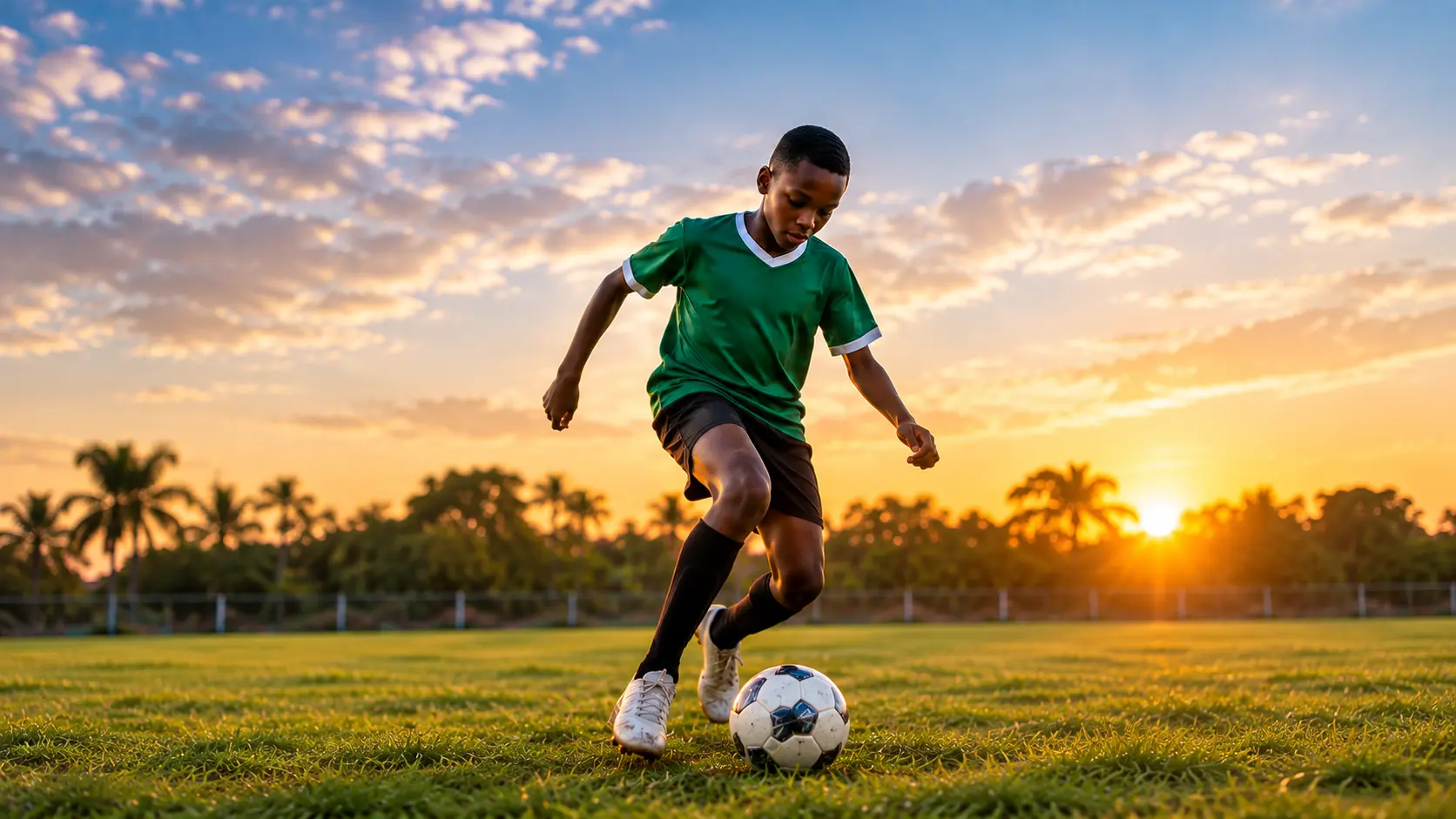
Building Safe and Inclusive Sporting Spaces for Young People
By Talanta Bora Academy | 18th September, 2026
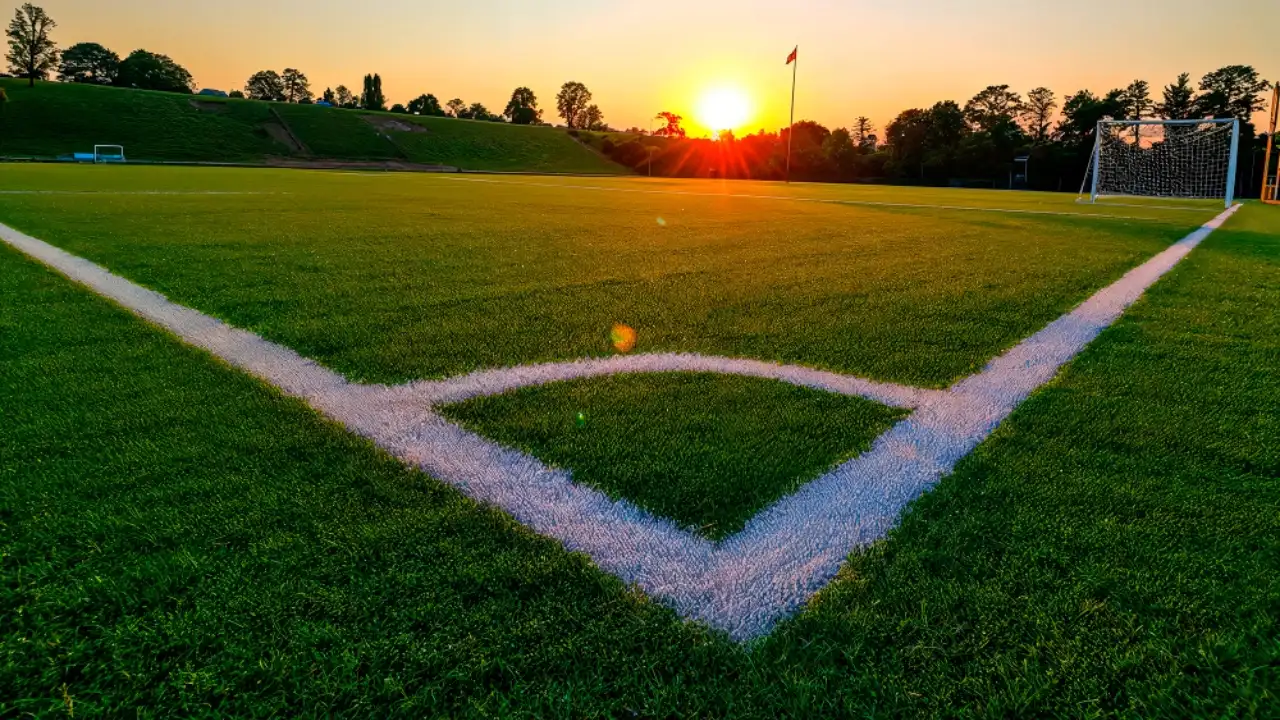
Building Safe and Inclusive Sporting Spaces for Young People
A sports field should be a place where young people can run, compete, learn, make friends and enjoy being active.
It should be a place where a young person can make a mistake without being humiliated, ask a question without being dismissed and participate without feeling that they do not belong.
For us at Talanta Bora, creating that kind of environment is not separate from sport. It is part of good sport.
Training quality matters. Coaching matters. Facilities matter. Competition matters. But none of these things can reach their full potential if young people do not feel safe, respected and included.
Our approach to Sport for Development therefore goes beyond what happens during a game. We believe the environment surrounding young people is just as important as the activities themselves.
A young person should be able to come to training knowing that they are entering a space where their wellbeing matters.
What makes a sporting space safe?
Safety in sport is about more than the physical condition of a pitch or training facility.
A safe sporting environment also considers how people are treated, how coaches interact with participants, how concerns are handled and whether young people know who they can approach when something does not feel right.
Physical safety is important. Young athletes need appropriate training environments, responsible coaching and activities that are suitable for their age and ability.
But emotional and psychosocial safety matter too.
Young people should not feel that they have to tolerate bullying, humiliation, discrimination, intimidation or inappropriate behaviour simply because they are part of a team.
They should be able to participate without constantly worrying about being mocked for making a mistake or being excluded because of who they are.
Creating this environment requires intentional effort.
It requires adults who understand their responsibilities, coaches who recognise the influence they have and an organisation that takes participant protection seriously.
Young people need to feel that they belong
One of the most powerful things sport can offer is a sense of belonging.
A young person may arrive at training not knowing anyone. Over time, they may begin to recognise teammates, build friendships and feel comfortable participating in the group.
That feeling can be significant.
Belonging tells a young person that they are part of something.
It can give them a reason to attend training, participate more confidently and build positive relationships with others.
But belonging does not happen automatically.
It can be affected by how teams are organised, how coaches treat participants and how differences are handled within the sporting environment.
An inclusive sporting space should not only make room for the most talented athletes.
It should also create opportunities for young people who are still developing, those who may lack confidence and those who may participate differently from others.
Every young person should have the opportunity to feel that they have a place.
Inclusion is more than allowing people to participate
There is an important difference between allowing someone to participate and helping them feel genuinely included.
A young person can technically be part of a team while still feeling isolated.
They may rarely receive the ball.
They may not feel comfortable speaking.
They may be left out of conversations.
They may feel that only the strongest athletes are valued.
Inclusion means paying attention to these experiences.
It means creating environments where different abilities, personalities and backgrounds are respected.
It means recognising that young people develop at different rates and may need different forms of encouragement.
It also means understanding that sport can be a powerful space for bringing people together rather than creating unnecessary divisions.
At Talanta Bora, inclusion is part of our wider Sport for Development approach because we want sport to contribute to connection and belonging, not isolation.
The role of responsible coaching
Coaches have a significant influence on the sporting experience of young people.
A coach can shape how a participant understands discipline, competition, confidence, teamwork and even their own potential.
That influence comes with responsibility.
Good coaching is not simply about getting the best possible performance from an athlete. It is also about understanding the person behind the performance.
A young athlete may have a difficult day.
They may struggle to concentrate.
They may make repeated mistakes.
They may become frustrated.
They may suddenly stop participating in something they normally enjoy.
A responsible coach should not automatically assume that the solution is simply to push harder.
Sometimes a young person needs encouragement. Sometimes they need a conversation. Sometimes they need time. And sometimes a situation may require support beyond what a coach or sporting organisation can provide.
Knowing the difference is part of responsible coaching.
Coaches are not counsellors
Sport can create valuable opportunities for conversations, but it is important to understand the boundaries of a sporting environment.
A coach can listen.
A coach can encourage.
A coach can notice that a young person may be struggling.
A coach can help create a supportive environment.
But coaches should not be expected to replace trained mental health professionals.
This distinction is important, particularly as Talanta Bora continues to place greater emphasis on Sport for Mental Health and Psychosocial Wellbeing.
Our approach is about creating environments where wellbeing is taken seriously and where young people can be encouraged to seek appropriate support when necessary.
Sport can be a doorway to a conversation.
It should not be presented as a substitute for professional care.
Creating space for conversations
Young people do not always find it easy to talk about difficult experiences.
Sometimes they may not know how to explain what they are feeling.
Sometimes they may worry about being judged.
Sometimes they may simply need someone they trust to notice that something has changed.
Sport can create opportunities for informal conversations because young people and coaches spend time together regularly.
A conversation can happen before training.
It can happen after a match.
It can happen while equipment is being packed away.
It can happen while teammates are walking from one activity to another.
These moments may appear ordinary, but they can help build relationships.
The goal is not to force young people to talk.
It is to create an environment where talking is possible and where seeking help is not treated as a weakness.
Safeguarding is everyone's responsibility
Safeguarding should never be treated as an administrative requirement that exists separately from everyday sporting life.
It is part of creating a responsible environment for young people.
Everyone involved in sport has a role to play.
Coaches need to understand appropriate conduct.
Organisations need clear procedures.
Adults need to know how to respond when concerns arise.
Young people should know that they can speak to a trusted adult when something makes them uncomfortable or unsafe.
Parents and guardians should have confidence that participant wellbeing is taken seriously.
Safeguarding also requires organisations to recognise their limits and have appropriate pathways for dealing with concerns.
The objective is not to create an environment where everyone is afraid of making a mistake.
It is to create an environment where people understand their responsibilities and where concerns can be addressed appropriately.
Respect should be part of competition
Competition can be intense.
Players want to win.
Teams want to perform well.
Athletes want to improve.
That competitive spirit can be a positive part of sport.
But competition should not remove respect.
A player can compete strongly without deliberately humiliating an opponent.
A coach can demand commitment without using harmful or degrading language.
A teammate can challenge another player while still treating them with dignity.
An official can make a decision that someone disagrees with without becoming the target of abuse.
These principles help shape the culture of a sporting environment.
We want young people to understand that being competitive and being respectful are not opposites.
They can exist together.
Mistakes should be part of learning
Young athletes will make mistakes.
They will miss passes.
They will lose possession.
They will make poor decisions.
They will lose matches.
They will sometimes have difficult training sessions.
That is part of learning.
A sporting environment becomes unhealthy when mistakes are treated as reasons to humiliate or exclude young people.
Instead, mistakes can become opportunities to understand what happened and improve.
A coach can ask what the player saw.
They can explore what options were available.
They can help the athlete understand what they might try next time.
This does not mean removing accountability.
Young people should learn to take responsibility for their actions.
But accountability and humiliation are not the same thing.
A healthy sporting environment can hold young people to meaningful standards while still allowing them room to learn.
Different people develop differently
Not every young athlete develops at the same pace.
Some may have natural physical advantages.
Some may develop technical skills quickly.
Others may require more time and repetition.
Some may be confident from the beginning.
Others may need encouragement before they become comfortable participating.
A strong sporting environment recognises these differences.
The purpose of youth sport should not be to make every participant develop in exactly the same way.
It should be to give young people opportunities to improve from where they are.
That requires patience from coaches and adults.
It also requires us to look beyond immediate performance.
A young person who is not currently the strongest player may still be developing confidence, discipline, teamwork and other qualities that matter.
Creating spaces where young people can be themselves
Young people should not have to pretend to be someone else to belong in sport.
They should be able to develop their abilities while also being recognised as individuals.
Some are naturally outgoing.
Others are quieter.
Some enjoy competition.
Others are more motivated by friendship and participation.
Some dream of becoming elite athletes.
Others simply want to stay active and enjoy the experience.
All of these motivations can have a place in a positive sporting environment.
This is particularly important within Sport for Development.
If sport is being used as a pathway for personal development, wellbeing and inclusion, then the environment needs to accommodate the different ways young people experience sport.
Parents and guardians are part of the environment
Creating safe sporting spaces is not something an organisation can do alone.
Parents and guardians also play an important role in a young person's sporting experience.
They can encourage healthy participation, communicate concerns, support positive behaviour and help young people understand that sport is about more than winning.
The relationship between families, coaches and sporting organisations can therefore be important.
When adults around a young person share a commitment to their wellbeing, it becomes easier to create an environment where the young person can participate confidently.
The focus should remain on the young person's development rather than placing unnecessary pressure on them to achieve particular results.
Sport should create opportunity, not unnecessary pressure
Young athletes can experience pressure from many directions.
There can be pressure to win.
Pressure to perform.
Pressure to be selected.
Pressure to meet expectations.
Competition can be motivating, but too much pressure can change the way a young person experiences sport.
A young person who once enjoyed training may begin to fear making mistakes.
Someone who loved competition may become anxious about disappointing others.
This is why the environment matters.
We want young people to take sport seriously without believing that their value depends entirely on their performance.
A match result is temporary.
A young person's sense of self should not be built entirely around whether they won or lost.
Creating an environment for growth
A supportive sporting environment does not mean removing challenges.
Young people still need to be challenged.
They need goals.
They need standards.
They need opportunities to compete.
They need to learn discipline and responsibility.
The difference is in how those challenges are presented.
A good environment can challenge a young person while still making them feel supported.
It can encourage them to improve without making them afraid of failure.
It can hold them accountable without humiliating them.
It can celebrate achievement without suggesting that only the best performers matter.
That balance is important to the way we think about development at Talanta Bora.
Why this matters to Sport for Development
Our wider Sport for Development approach is based on the understanding that sport can influence much more than physical performance.
Sport can help young people connect with others, develop life skills, build confidence, explore leadership and experience a sense of belonging.
But these opportunities are strongest when the environment around them supports those outcomes.
A young person is unlikely to experience genuine belonging in an environment where they constantly feel excluded.
They are unlikely to develop confidence in an environment where mistakes are always met with humiliation.
They are unlikely to feel comfortable speaking when they believe they will immediately be judged.
That is why safe and inclusive sporting spaces are not an additional feature of our work.
They are part of the foundation.
Our responsibility to young people
At Talanta Bora, we want every participant to understand that their wellbeing matters.
We want our sporting spaces to encourage respect, inclusion, responsible behaviour and positive relationships.
We want coaches and facilitators to recognise the responsibility that comes with working with young people.
We want participants to know that they can speak when something concerns them.
And we want parents and guardians to know that participant protection is an important part of the sporting experience.
This means taking safeguarding seriously, supporting responsible coaching and recognising when a situation requires appropriate professional support.
It also means continuing to learn.
Creating safe environments is not something an organisation achieves once and then stops thinking about. It requires ongoing attention, reflection and improvement.
Sport should be a place where people can grow
A young person should be able to walk onto a sporting field and feel that they have an opportunity.
An opportunity to learn.
An opportunity to compete.
An opportunity to make friends.
An opportunity to improve.
An opportunity to lead.
An opportunity to make mistakes and learn from them.
An opportunity to be heard.
An opportunity to belong.
And an opportunity to become more confident in who they are.
That is the kind of sporting environment we want to help create.
Because sport should never become another source of harm.
It should be a place where people feel safe enough to grow.
More Than a Safe Place to Play
At Talanta Bora, we believe a sporting environment can be much more than a place where young people come to train.
It can be a place where relationships are formed, confidence develops, life skills are practised and young people discover new possibilities for themselves.
That requires more than good facilities and quality coaching.
It requires care.
It requires responsibility.
It requires inclusion.
It requires listening.
And it requires understanding that every young person who walks onto the pitch is more than an athlete.
They are a person with their own experiences, challenges, strengths, hopes and potential.
Our responsibility is to create an environment where they have room to develop all of those things.
Because when sport is safe, inclusive and supportive, the game can become something much bigger than competition.
It can become a place to move, connect, talk, build, identify and lead.
And ultimately, it can become a place where young people feel safe enough to grow.
Latest News & Blogs
More News & Blogs
How Sport Can Support Mental Wellbeing and Psychosocial Wellbeing
Sport can create more than physical activity and competition. At Talanta Bora, we use sport as a pathway to support mental wellbeing, meaningful relationships, confidence, life skills and stronger co…
Read More
Why Football Development Should Build the Person, Not Just the Player
Football development is about more than technique, tactics and results. At Talanta Bora, we believe young players should develop their football intelligence, character, confidence and understanding o…
Read More
Life Skills Through Sport: What Young People Learn Beyond the Pitch
Sport can teach much more than technique and competition. Discover how young people can develop communication, discipline, teamwork, leadership, confidence and decision-making through sporting experi…
Read More
From Football Academy to Sport for Development: The Talanta Bora Journey
Talanta Bora began with football and has grown into a Sport for Development organisation using sport to support mental wellbeing, life skills, inclusion, personal development and stronger communities.
Read More
The Game Is Bigger Than the Score: Why Talanta Bora Uses Sport for More Than Competition
At Talanta Bora, sport is more than competition and the score is only part of the story. We use sport as a pathway to build confidence, life skills, mental wellbeing, meaningful relationships and str…
Read More